Table Games for Serious Strategy Enthusiasts
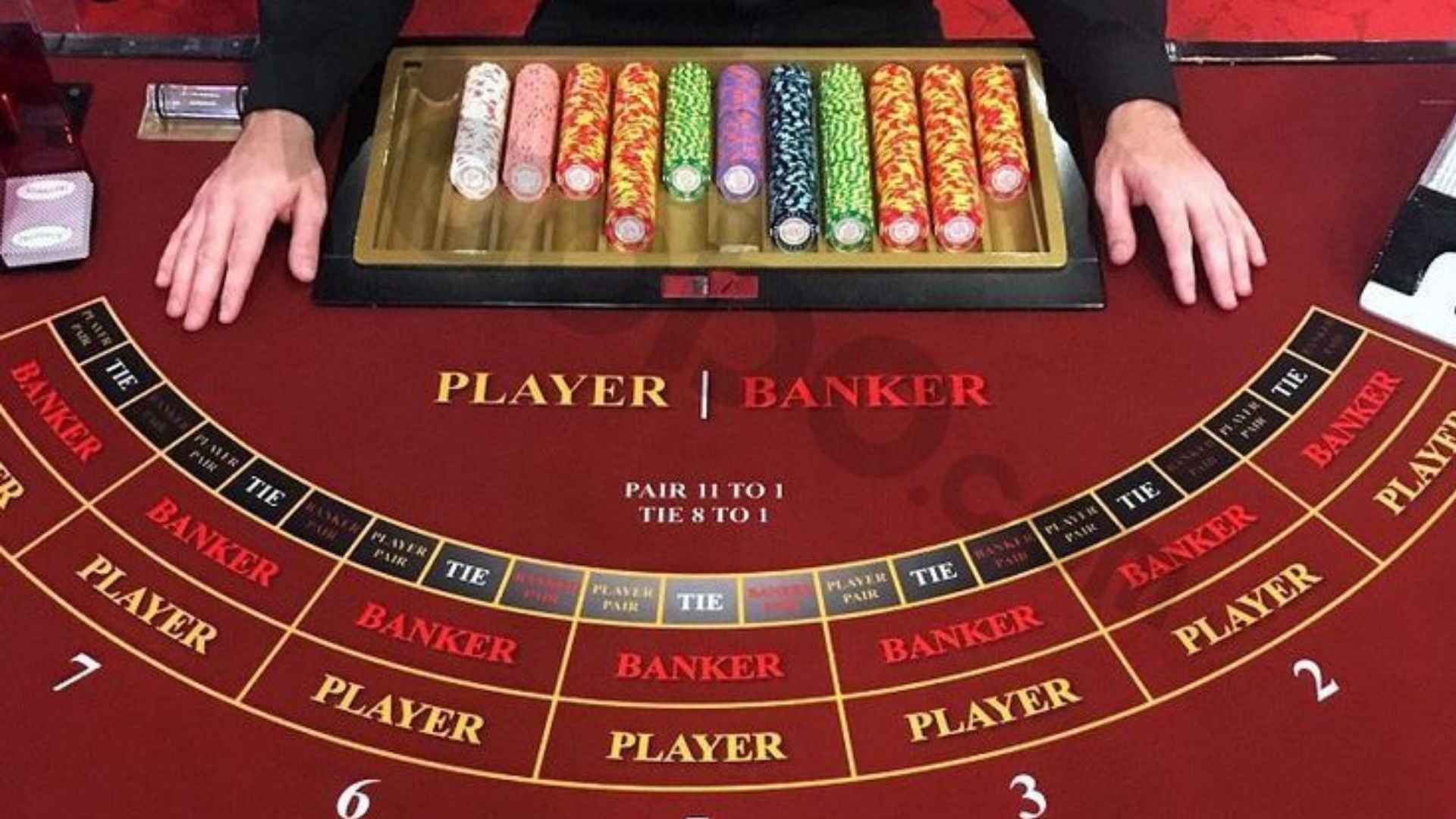
For individuals who view gaming as an intellectual pursuit, traditional table games offer a profound level of engagement that digital alternatives rarely replicate. The combination of tangible pieces, immediate human interaction, and complex decision-making creates an environment where mental sharpness is tested. For serious strategy enthusiasts, the true appeal lies in reducing the role of luck and maximizing the impact of calculated foresight.
The Appeal of High-Level Strategic Decisions
Modern strategic table games demand more than simple tactical reactions; they require long-term planning and deep psychological insight. Players must constantly analyze their opponents' resource management while masking their own long-term objectives. This layer of psychological warfare turns every physical move into a complex puzzle of risk assessment and mathematical probability.
Furthermore, games designed for serious thinkers often incorporate asymmetric starting positions or complex economic loops. This variety ensures that no two sessions are ever identical, challenging players to constantly adapt their theories to shifting board states. True mastery comes from finding order within these highly volatile strategic systems.
Mathematics and Probability as Tactical Foundations
At the core of any deep strategy game is a solid foundation of mathematical theory and probability management. Understanding how to calculate pot odds, card distribution, or resource spawning rates separates casual players from dedicated strategists. Every decision made at the table is essentially a calculated bet on the most likely statistical outcome.
To test your analytical mind and practice statistical modeling in real-time environments, accessing a reliable hub like the m88 link 2 can provide valuable insights into classic probabilistic gaming. Balancing mathematical calculations with personal intuition is a transferable skill that enhances performance across many competitive formats. By studying these probabilities, players can systematically minimize their exposure to unpredictable elements.
Resource Management and the Art of Efficiency
Many of the most celebrated strategic board games focus heavily on resource allocation and optimization. Players must decide when to hoard valuable assets, when to trade, and when to reinvest their earnings to build a more efficient engine. The tension between short-term survival and long-term expansion forms the heart of these intellectual battles.
Mastering this balance requires a disciplined mind that refuses to be swayed by temporary setbacks or minor victories. Successful tacticians learn to view every resource not for its immediate face value, but for its potential to disrupt an opponent's momentum. Ultimately, the player who manages their assets with the greatest efficiency will consistently claim victory.