Online Arcade Games with Creative Power-Ups
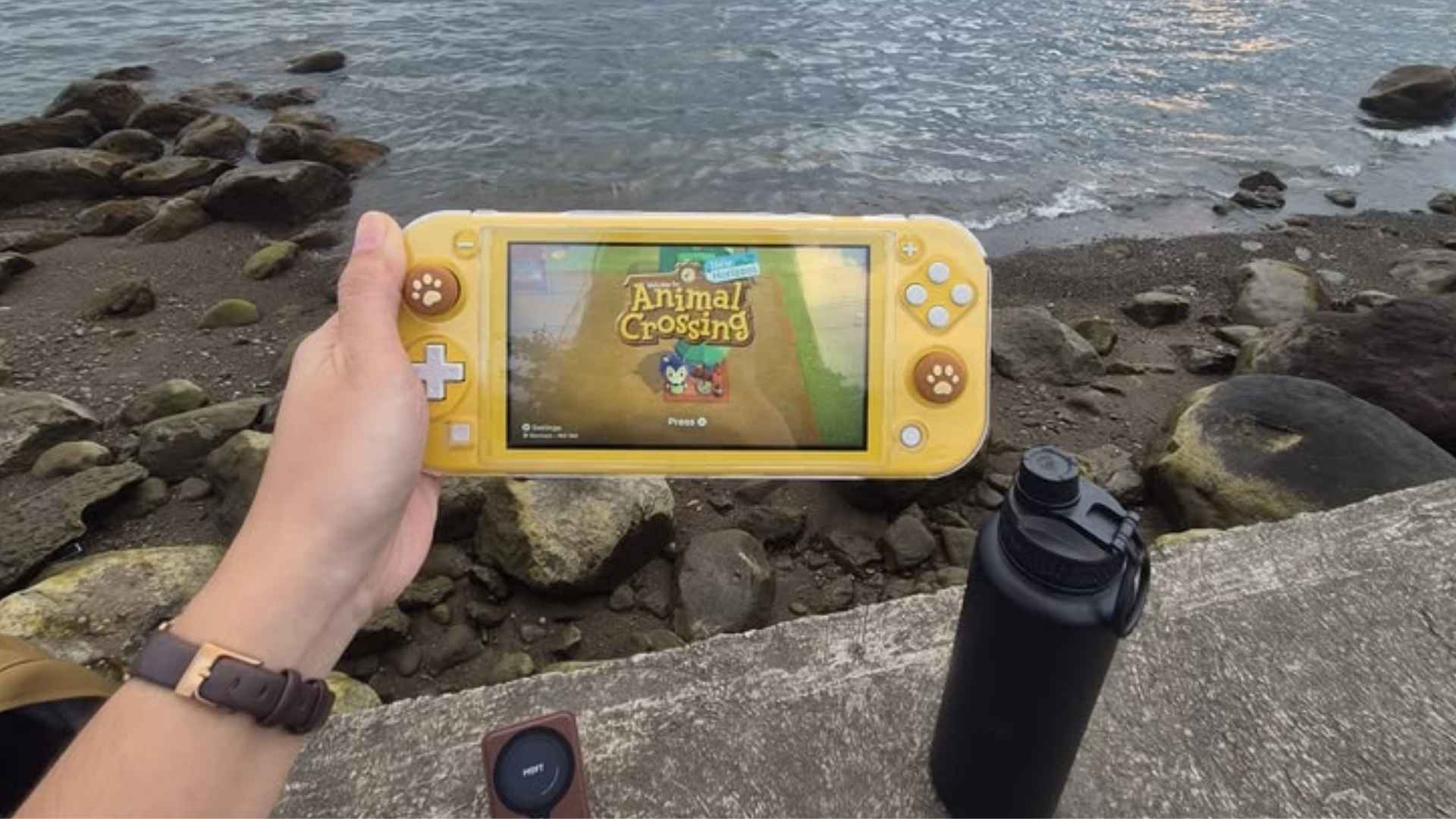
The modern arcade experience has transitioned from physical cabinets to sophisticated digital platforms that offer more than just simple entertainment. These digital challenges are now recognized for their ability to sharpen cognitive functions and improve physical coordination through repetitive, high-stakes gameplay.
Enhancing Reflexes with Fast Paced Action
Action-oriented arcade games require players to process visual information rapidly and react with precise physical movements. This constant demand for speed helps in lowering reaction times, which can be beneficial in real-world scenarios like driving or playing sports.
Many of these titles utilize increasing difficulty levels to keep the player at the edge of their capabilities, ensuring consistent growth. By mastering these fast-paced environments, gamers develop a heightened sense of situational awareness and spatial logic.
Strategic Thinking and Problem Solving Skills
Puzzle and strategy-based arcade games offer a different kind of skill improvement by focusing on logic and long-term planning. Players must often find creative solutions to complex problems under time pressure, which strengthens their mental flexibility and deductive reasoning.
Modern developers frequently incorporate intricate mechanics that reward players for thinking several steps ahead of their current position. For those interested in games that combine luck and strategy, exploring an M88 slot provides a unique perspective on how probability and timing intersect in a digital format.
The cognitive benefits of these challenges extend to improved memory retention and better resource management. Engaging with these games regularly can help individuals approach professional and personal obstacles with a more analytical mindset.
Hand Eye Coordination Through Precision Gaming
Precision is a core element of many arcade classics, requiring a seamless connection between what the eyes see and what the hands execute. Rhythm games and precision platformers are particularly effective at building this neurological bridge through rhythmic patterns and tight controls.
As players progress, the margin for error decreases, forcing them to refine their motor skills to a high degree of accuracy. This type of training has been noted by researchers for its potential to help with adult brain plasticity and motor control refinement.
Consistent practice in these environments leads to muscle memory that allows for nearly instinctive reactions to complex visual cues. The result is a more synchronized physical response system that can handle multitasking with greater ease.
The Social and Competitive Drive for Excellence
Competitive leaderboards and multiplayer modes provide the necessary motivation for players to push their limits and achieve mastery. Seeing how others perform encourages a deeper analysis of game mechanics and the adoption of more efficient playstyles.
Social interaction within gaming communities allows for the exchange of tips and techniques that can accelerate the learning process. This collaborative aspect transforms a solitary pursuit into a shared journey toward higher skill levels.
Ultimately, the best arcade challenges are those that provide a balanced mix of fun and frustration to keep the player engaged. This balance ensures that the drive for self-improvement remains strong, leading to lasting cognitive and physical benefits.