Recent Post

Comparing Poker Software Based On Player Convenience ...
Selecting an ideal digital poker room often comes down to how well the platform accommodates a player's daily habits and hardware limitations. While technical specifications matter, user convenience remains the primary driver behind player retention and overall session comfort. By comparing applications through the lens of usability, players can find a seamless environment that allows them to focus entirely on table strategy.
The Value of Intuitive Interface Layouts
A well-structured dashboard drastically minimizes the mental energy required to sort through running tournaments and available cash games. High-quality poker programs implement simplified filtering toggles that let users locate their preferred stakes or variants within seconds. This immediate accessibility prevents administrative friction and lowers cognitive load before the first hand is dealt.
Furthermore, clean spatial organization within the active table view ensures that vital data points like current pot sizes remain transparent. Customizable visual elements, including four-color card decks and minimalist felt themes, help prevent eye strain during extensive grinding sessions. Eliminating unnecessary background animations protects player concentration and reduces physical exhaustion over time.
Evaluating Multi Table Smoothness and Controls
For dedicated enthusiasts who handle multiple games simultaneously, automated layout mechanics are essential for maintaining accuracy. Elite platforms offer single-click tiling and cascading functions that automatically partition available monitor space into uniform windows. These structural tools ensure that no critical betting slider or opponent action is obscured during high-traffic periods.
Advanced control integration, such as pre-configured hotkeys and adaptive bet sizing sliders, further accelerates real-time decision-making. Incorporating these keyboard shortcuts allows players to execute complex tactical moves instantly without manual typing delays. Seamless window transitioning preserves a player's psychological momentum when managing multiple time-sensitive situations concurrently.
Cross Device Functionality and Access
Modern players expect their gaming experience to remain consistent whether they are utilizing a home desktop station or a portable smartphone. Cross-platform clients optimize resource allocation so that mobile versions deliver responsive touch controls without draining battery life excessively. This flexibility allows users to transition between different devices without experiencing sudden system lag or display formatting issues.
When assessing how smoothly an application connects across international regions, verifying local network reliability remains a crucial step. Accessing verified portals like ทางเข้า m88 ensures that players encounter responsive server infrastructure and updated lobby configurations globally. Reliable cross-device harmony guarantees that your personal verification status and security parameters remain intact across all systems.
The Impact of Background Maintenance and Tools
Long-term convenience also depends on how effectively a poker program manages historical session records and player notes. Integrated hand tracking systems compile raw data in the background, allowing individuals to review their win rates without causing platform performance drops. These built-in utilities turn standard card rooms into comprehensive analytical suites tailored for personal strategic growth.
Ultimately, regular developer updates play a monumental role in safeguarding transaction security and ensuring application stability. Constant background optimization prevents unexpected software crashes and connection failures during high-stakes tournament frames. Choosing a platform that prioritizes silent patches ensures a dependable, interruption-free environment for future gaming routines.

How to Trade Pokemon Sword Complete Trading Guide ...
Trading is a core element of the Galar region experience, allowing trainers to complete their Pokédex and acquire version-exclusive creatures. Whether you want to swap a Sirfetch'd for a Galarian Corsola or evolve your Haunter into a Gengar, mastering the built-in system mechanics is essential. Navigating this guide will show you exactly how to trade Pokemon Sword versions safely and efficiently.
Setting Up Your Local and Online Connections
Before launching a trade, you need to determine if your trading partner is in the same room or somewhere across the world. Local wireless connections do not require any paid subscription and work flawlessly if you are standing next to another Nintendo console. However, online trading across global networks requires an active Nintendo Switch Online subscription and a stable internet connection.
To begin the process, press the Y button on your controller to open up the Y-Comm menu on your screen. If you wish to connect globally, press the plus button while the menu is open to switch from Local Wireless mode to Internet mode. Ensuring you are on the correct connection style prevents connectivity errors before you start matching with other trainers.
Utilizing Link Trades and Set Link Codes
The primary method for targeted transactions is the Link Trade feature, which lets you connect with specific friends or community groups. By choosing this option from your Y-Comm menu, you can select whether to start searching immediately or set a private security key. Choosing to set a Link Code ensures that you only pair with your intended partner rather than a random player.
Link Codes are eight-digit numbers that both trading participants must enter identically into their respective systems. Once the codes match up, the game automatically establishes a link and brings both players into the trade selection screen. This targeted approach is highly recommended when exchanging highly valuable legendary or shiny pocket monsters.
Exploring Surprise Trades for Random Exchanges
If you are simply looking to expand your collection or gather global ID numbers for the in-game lottery, Surprise Trades offer an entertaining alternative. This feature allows you to select one creature from your storage boxes to send out into the digital ether. The system then searches in the background while you continue exploring the wild areas of Galar.
Once a match is found, the game automatically exchanges your chosen creature for one sent by another player worldwide. You never know what you will receive, making it an exciting way to find rare breedjects or hidden ability starters. It runs quietly in the background, allowing you to maximize your gameplay efficiency during long exploration sessions.
Navigating Version Exclusives and Evolution Mechanics
Trading is mandatory for completing the Galar Pokédex due to specific version differences built into the software layout. Pokémon Sword players cannot naturally encounter creatures like Tyranitar, Reuniclus, or Eiscue within their native game files. Establishing a reliable trading network allows you to secure these elusive entries through balanced community cooperation.
Additionally, several popular species require a successful trade transaction to trigger their final evolutionary transformations. Creatures like Machoke, Rhydon holding a Protector, and Phantump will evolve immediately upon arriving on your partner's system. Coordinating a return trade ensures both participants successfully document these powerful entries in their local databases.
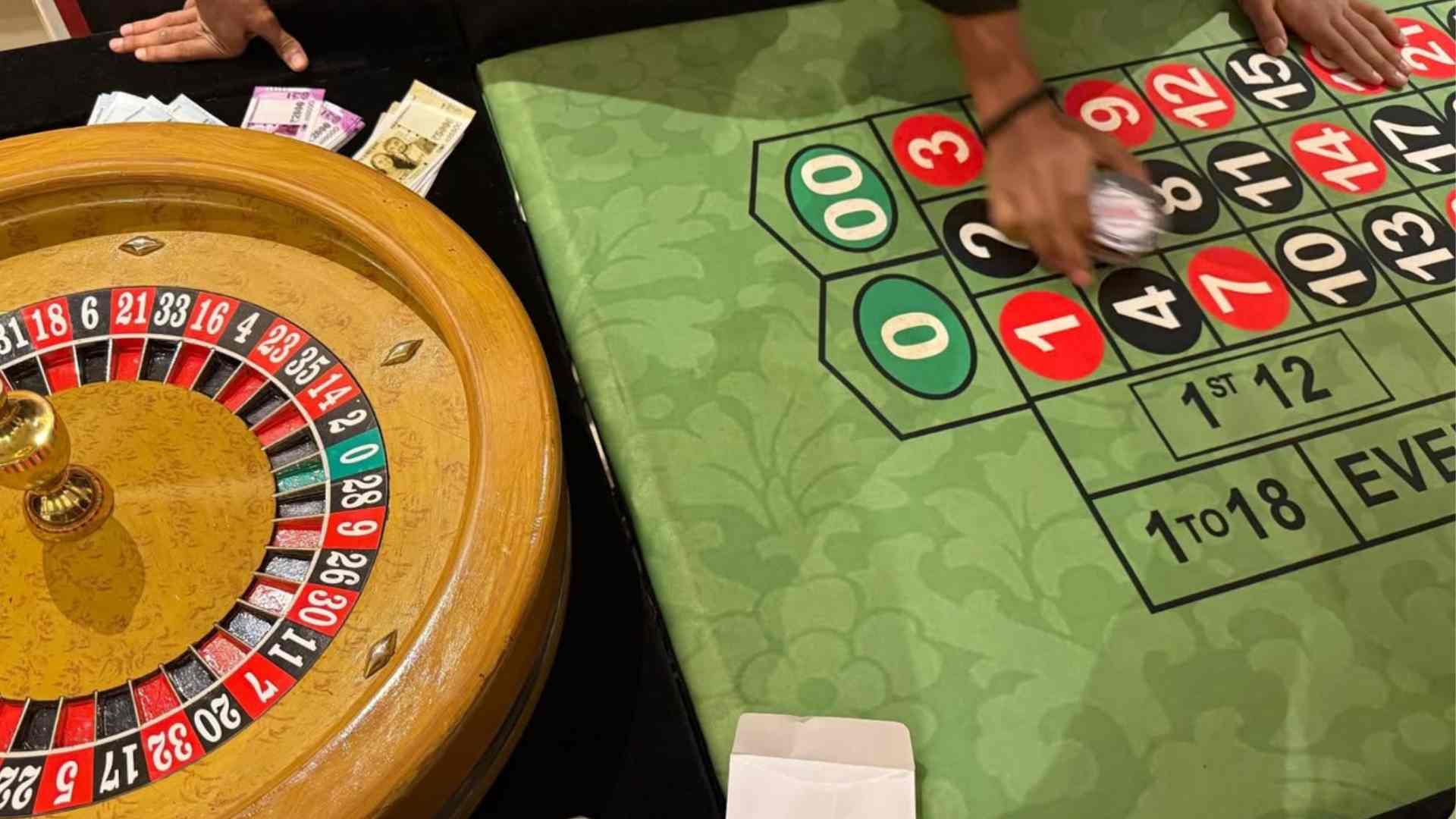
is cheating in video games illegal Laws Rules and What Players Should Know ...
The debate surrounding unfair advantages in digital environments has shifted from a matter of simple sportsmanship to a complex discussion about legal boundaries. As online multiplayer ecosystems grow into massive commercial industries, the consequences of altering software behavior have expanded significantly. Understanding the distinction between breaking a developer's rules and violating actual legislation is crucial for modern players navigating these competitive spaces.
The Boundary Between Game Rules and Criminal Law
For the vast majority of players, using unauthorized software or exploits will only result in an account suspension or a permanent ban from a specific title. These penalties are enforced through contractual End User License Agreements rather than traditional law enforcement agencies. However, the situation changes drastically when the activity shifts from private single-player environments to commercial multiplayer networks.
In several jurisdictions, modifying game code or distributing software that interferes with official servers can be classified as digital trespassing or computer misuse. When a person actively damages a company's business model or server infrastructure, they cross the line into potential legal liability. Consequently, while standard players rarely face criminal charges, the developers of malicious code are increasingly targeted by legal frameworks.
Legal Precedents Targeting Commercial Cheat Developers
Major video game publishers regularly employ intellectual property laws to protect their software from unauthorized modifications. Courts have repeatedly ruled against companies that manufacture and sell aimbots or wallhacks, citing copyright infringement and DMCA violations. These commercial entities are often ordered to pay millions of dollars in damages for devaluing the original product and undermining player trust.
In some countries, specific legislation has been passed to criminalize the creation and distribution of game hacks directly. For example, South Korea introduced strict laws that can penalize commercial cheat creators with heavy fines or even prison sentences. This legal approach aims to safeguard the integrity of esports, which function as a significant sector of the modern economy.
What Everyday Players Need to Know
Average gamers are highly unlikely to face lawsuits or police investigations for using a simple cheat code in a single-player campaign. Developers generally tolerate or even encourage modification tools when they do not impact other real-world users or financial systems. The ethical and legal issues are almost entirely confined to shared digital spaces where unfair advantages disrupt the competitive balance.
Engaging in matchmaking manipulation can lead to severe reputational damage and financial losses if a user has invested heavily in virtual items. Furthermore, downloading unverified scripts poses a significant security risk, as these files often contain malware designed to compromise personal accounts. Staying informed about the digital environment ensures a safe experience for everyone involved.

Baccarat Variations That Transform Traditional Table Gameplay ...
The traditional casino landscape has undergone a remarkable shift as classic table games adapt to modern preferences. Baccarat, long celebrated for its sophisticated simplicity, has seen various regional interpretations that completely alter the flow of a session. These unique adaptations invite enthusiasts to experience the game beyond standard card comparisons.
Punto Banco The Controlled Casino Format
Punto Banco remains the most accessible framework for modern players entering the gaming space. Under this setup, the house manages all financial responsibilities and handles the distribution of cards automatically. Participants simply focus on predicting the standard outcomes without worrying about complex procedural strategies.
Because the rules governing third-card draws are entirely fixed, the game moves at a consistent and predictable pace. This makes it an ideal option for anyone looking for standard entertainment without intense operational pressures. Many enthusiasts use resources like the link m88 terbaru hari ini to explore digital formats of this classic standard table setup.
Chemin de Fer Active Participant Decisions
Chemin de Fer introduces an entirely different philosophy by shifting active gaming responsibilities directly onto the participants. In this historic European variation, players take turns assuming the role of the banker and financing the table out of their own temporary pool. The cards are dealt face-down, adding a genuine element of mystery to the round.
Furthermore, the active individual holds the unique power to either stand or draw an additional card under specific point conditions. This layer of physical choice introduces strategic tension and psychological reading that automated versions lack. It transforms a simple game of chance into a highly social environment defined by collective choices.
Baccarat Banque Fixed Multi Hand Mechanics
Baccarat Banque shares the historical roots of Chemin de Fer but implements a far more permanent table infrastructure. The banking seat is usually awarded to the participant willing to commit the largest amount of working capital to the session. This individual manages the table position continuously until their chosen bankroll is fully depleted.
The structural layout also differs significantly as the dealer splits the card distribution across two distinct sides of the table simultaneously. This allows multiple participants to wager on separate hands against a singular banking force during a single round. The resulting complexity appeals greatly to high rollers who enjoy long, methodical table dynamics.
Mini Baccarat Streamlined Pace and Layout
Mini Baccarat adapts the core principles of Punto Banco into a highly efficient and fast-paced format. By utilizing a smaller physical table layout and removing traditional card-handling ceremonies, the dealer completes rounds in a fraction of the standard time. This accelerated rhythm ensures a high volume of action for casual participants.
The lower limits associated with these tables make the game highly practical for anyone looking to practice basic bankroll management. It strips away the intimidating atmosphere of private high-stakes salons while preserving the statistical core of the classic game. As a result, it bridges the gap between traditional gaming values and modern casino efficiency.

Creative Reward Systems Found in Modern Prize Wheel Platforms ...
Modern interactive media has witnessed a major shift in how promotional mechanisms retain user interest, with spinning setups leading the way. What used to be simple physical layouts has transitioned into sophisticated software structures built around advanced micro-interactions. By blending psychological anticipation with backend algorithmic transparency, modern developers are reshaping standard promotional concepts into deeply engaging consumer milestones.
The Transition From Static Prizes to Dynamic MultiTiered Milestones
Traditional spinning wheels often relied on fixed incentive lists that provided identical choices day after day. Contemporary entertainment developers have transformed this concept by introducing progressive reward layers that adapt according to user engagement patterns. This structural evolution ensures that participants stay curious about potential outcomes over much longer play sessions.
By organizing incentives into dynamic categories, operators can appeal to different player types simultaneously. For instance, casual users might appreciate instant visual bonuses, while dedicated enthusiasts seek long-term loyalty progression points. This structural balance elevates a basic chance-based activity into an immersive multimedia spectacle that honors ongoing interaction.
Integrating Interactive Progressions and Gamified SubRounds
Another major innovation in modern promotional software is the addition of hidden sub-challenges triggered by specific wheel segments. Instead of instantly awarding a fixed item, certain sectors now transport players into temporary bonus rounds with separate rules. This multi-layered approach keeps the interface feeling fresh and distinctly participatory for modern audiences.
These interactive features often include customizable options, real-time visual countdowns, and simulated physics layers. When participants feel their personal input affects the pacing, their psychological connection to the outcome grows stronger. Platforms like m88 malaysia focus heavily on utilizing these responsive interactive configurations to build balanced, fair, and modern digital environments.
How Adaptive Reward Frequency Alters LongTerm Session Satisfaction
The pacing and frequency of smaller wins inside an interactive system dictate far more than simple mathematical distributions. How often a consumer encounters a successful segment directly alters their fatigue levels, emotional state, and overall comfort during gameplay. By structuring distribution models carefully, creators can prevent early fatigue while maintaining a healthy relationship with chance-based media.
A well-optimized layout avoids concentrating all statistical value into a single, unreachable grand jackpot. Instead, it prioritizes a steady cadence of mid-tier items that accumulate useful value over multiple consecutive turns. Shifting consumer focus toward these predictable, smaller bonuses ensures a more sustainable, positive, and grounded entertainment experience.
Establishing LongTerm Consumer Trust Through Transparent System Rules
As digital wheels become more intricate, establishing absolute transparency regarding reward distribution becomes essential for platform reputation. Discerning participants want to know that the colorful segments on their screen reflect legitimate mathematical parameters rather than superficial visual patterns. Clear documentation regarding payment tables and algorithmic randomness remains the foundation of user retention.
When a platform outlines its operational rules openly, it allows users to form realistic performance expectations before their first turn. This transparency removes common misconceptions about prediction strategies and helps players enjoy the pure mystery of the spin. Ultimately, the future of interactive promotional entertainment relies on combining creative incentive mechanics with strict operational honesty.

How to Locate Games on Steam Using Search and Library Features ...
Navigating a massive digital gaming collection can sometimes feel overwhelming, especially when your library grows into the hundreds or thousands of titles. Valve's Steam platform offers robust built-in tools designed specifically to help players organize, sort, and find their purchases instantly. By mastering these search and management systems, you can spend less time scrolling through endless lists and more time enjoying your favorite software.
Mastering the Library Search Bar
The quickest way to find a specific title is by utilizing the dedicated search input field located at the upper left corner of the library interface. Instantly typing in the name will automatically filter the visible list to show only matching titles. This dynamic tool updates in real-time, meaning you often only need to type a few letters before your target appears.
Beyond searching by exact title, this input field is smart enough to recognize secondary developer and publisher metadata. If you forget the exact name of an indie project but remember who created it, typing the studio's name can yield the correct result. This straightforward approach provides an immediate solution for daily navigation needs without requiring configuration changes.
Utilizing Advanced Filters and Tags
When you want to browse your collection based on specific criteria rather than a name, the advanced filtering button comes into play. Clicking the filter icon next to the search bar opens a comprehensive menu that allows you to sort software by hardware support, genre, and player features. For instance, you can instantly isolate all single-player role-playing games that feature native controller configurations.
Steam also allows you to narrow down selections based on community-driven store tags that reflect specific sub-genres or visual styles. If you select multiple filters simultaneously, the system uses strict matching logic to ensure that a game will only display if it meets every selected property. This allows for deep curation, making it incredibly simple to choose a title that perfectly fits your current gaming mood.
Creating Dynamic and Custom Collections
To establish permanent organization for your expanding backlog, Steam provides the ability to group items into distinct categories called collections. You can build traditional static collections by manually dragging and dropping specific titles into labeled folders. This method works beautifully for sorting personal milestones, such as grouping your completed franchises or separating multiplayer shooters from single-player experiences.
For a hands-off approach, you can choose to establish dynamic collections that update automatically based on predefined rules. By setting a dynamic filter for a specific genre or tag, any newly purchased title matching those attributes will instantly join that collection. This feature eliminates the need for manual upkeep, keeping your digital shelves perfectly organized as your library grows over time.
Sorting by Play Time and Activity
Another excellent method for discovering what to play next involves changing the display order of your library view. Steam allows users to sort their collections alphabetically, by release date, or according to recent activity. Sorting by size on disk can also help you quickly locate heavy titles when you need to free up local storage space.
For players focused on managing their backlog, sorting by total play time provides valuable insights into your historic habits. This view instantly separates your most-played masterpieces from the unplayed hidden gems waiting for their first launch. Utilizing these diverse perspective changes transforms a rigid list into an interactive database tailored to your exact gaming preferences.

White and Scarlet Dye BG3 Recipes and Where to Find Them ...
Baldurs Gate 3 offers players an incredible amount of visual customization, allowing them to personalize their adventuring party to match any roleplaying aesthetic. Among the various color choices available throughout the Forgotten Realms, the striking combination of White and Scarlet Dye remains a highly sought-after option for players looking to give their armor a regal yet dangerous flair. Mastering how to acquire and apply this specific pigment combination ensures your favorite companion characters stand out during cinematic cutscenes and intense tactical encounters.
Understanding the White and Scarlet Color Palette
The White and Scarlet palette provides a distinct contrast that looks exceptionally striking on heavy plate armor, flowing wizard robes, and intricate leather gear. Unlike basic single-tone color packages, this rare combination balances a clean bone-white base with brilliant crimson highlights along the stitching and decorative trimmings. Many players prefer this specific look for holy paladins or lethal rogues who want a signature visual appearance that commands respect across Faerun.
It is important to note that the way a color interacts with your active gear depends entirely on the base material of the item itself. Metal segments will often take on a polished silver sheen alongside the red accents, while cloth materials display a more matte finish. Experimenting with different gear configurations helps you find the absolute perfect distribution of these contrasting tones for your party.
Where to Purchase Ready Made Bottles
If you prefer to skip the crafting process entirely, ready-made bottles of this pigment can occasionally be purchased directly from specialized merchants spread throughout the main campaign. In the earlier segments of your journey, checking the randomized inventories of Arron in the Emerald Grove or Quartermaster Talli at the Last Light Inn can yield positive results. Keeping a steady supply of gold is essential since rare pigments can sometimes demand a high price depending on your reputation with the vendor.
As you eventually progress into the sprawling streets of the lower city, high-end boutique stores offer a much higher chance of stocking exotic color variants. Merchants such as Figaro Pennygood at Facemakers Boutique specialize heavily in garment customization and premium tailoring assets. Visiting these specialized urban locations after long rests remains the most reliable strategy to consistently secure your favorite cosmetic supplies.
Gathering the Proper Materials and Recipes
For players who enjoy utilizing the robust alchemy mechanics, tracking down the specific components required to synthesize custom colors provides a highly rewarding alternative. Crafting your own customization options requires you to harvest organic pigments found natively throughout the wilderness or hidden deep inside ancient dungeons. Utilizing the alchemy menu lets you convert raw botanicals into fine powders that serve as the foundational component for your project.
To begin crafting custom options, you must first gather a specific quantity of red and white flora scattered across the game world. Combining sub-components like the rare Bloodbrick or pristine organic minerals allows you to unlock permanent transformation options within your camp inventory. Keeping your eyes peeled during exploration ensures you never run out of supplies when a new piece of high-tier armor drops from a challenging boss fight.
How to Apply the Pigment to Your Gear
Once you have secured a bottle of White and Scarlet Dye, applying it to your gear is a straightforward process handled directly inside your character sheet interface. Simply open your inventory screen, right-click on the desired color bottle, and select the combine option from the drop-down menu. From there, you can drag your chosen armor piece or clothing item into the active slot to initiate the permanent visual transformation.
If you ever grow tired of a specific color combination, you do not have to throw away your favorite piece of equipment. Utilizing a bottle of dye remover will instantly restore any altered gear back to its original appearance without destroying the item. This flexible system encourages players to constantly adapt their style as they discover new gear across different acts.

Exploring New Ways To Experience Random Rewards ...
The concept of mystery incentives has expanded past traditional systems, introducing interactive methods that capture modern consumer curiosity. Rather than relying on simple point tallies, contemporary digital platforms are engineering layered systems that make discovery feel like a dynamic journey. This fresh perspective alters how individuals interact with online environments daily.
The Dynamic Transition to Multi Tiered Discoveries
Static milestones are rapidly losing their impact as users demand more active participation in their interactive systems. Modern software applications address this shift by introducing fluid pathways where outcomes change based on real-time engagement. This layer of complexity ensures that every milestone achieved feels entirely unique to the participant.
Furthermore, these systems integrate customized progress bars that hint at secret prizes without revealing the precise outcome. This structural setup successfully maintains heightened cognitive focus and elevates the overall value of the experience. By shifting the focus toward the process of discovery, developers keep audiences deeply invested over multiple interaction sessions.
How Sensory Feedback Mechanics Maximize Engagement
The visual and auditory presentation of an interactive layout heavily dictates how a user internalizes any unexpected surprise. Modern digital configurations incorporate smooth physics simulations, responsive particle bursts, and tailored audio landscapes that build significant tension before a reveal. This sensory enrichment turns a standard transactional update into a highly memorable entertainment event.
Many popular platforms utilize these advanced presentation methodologies to optimize their user interface layouts. For example, individuals navigating a modern digital network can utilize a secure wd boss login to explore customized dashboard components designed around real-time incentive tracking. These visual frameworks establish strong emotional connections and ensure that digital spaces remain highly approachably for diverse audiences.
The Integration of Gamified Loyalty Frameworks
Modern commercial ecosystems are actively abandoning repetitive reward programs in favor of structured gamified systems. Businesses find that injecting unexpected mystery mechanics into daily operations encourages consistent brand loyalty far better than flat discount metrics. These contemporary loyalty models challenge users to complete minor skill milestones before unlocking corporate perks.
This methodology balances intrinsic curiosity with practical value, removing the skepticism often associated with standard marketing campaigns. When a participant feels that an outcome requires active navigation, the final breakthrough becomes significantly more satisfying. Consequently, these interactive models are redefining the parameters of modern consumer relationship building.
Sustaining Long Term Interest Through Balanced Odds
Sustaining user curiosity over extended periods requires a meticulous balance between probability and accessible prize distribution. Platforms must implement algorithms that provide steady validation while still preserving the underlying magic of a true surprise. If a system becomes overly predictable, the initial spike in mental engagement rapidly declines into standard routine.
Advanced data frameworks solve this design challenge by mixing immediate micro-incentives with rare grand opportunities. This distribution strategy ensures that participants always feel close to a meaningful breakthrough during their journey. As a result, the strategic layout of modern randomized reward systems guarantees a bright future for interactive entertainment design.

How To Make Mist In Infinite Craft Step By Step ...
Infinite Craft challenges players to build an entire universe starting with just four basic elements: Earth, Water, Fire, and Wind. While some advanced combinations require dozens of intricate steps, creating foundational weather phenomena can be done quite rapidly. Mastering these simpler recipes early provides crucial building blocks for your future alchemical experiments.
The Core Elements Required for Crafting
Before beginning your journey into atmospheric creation, you must ensure you are utilizing the correct basic components available at the start of the game. Mist relies entirely on combining the properties of moisture and air movement in a specific sequence. Understanding how these initial combinations interact will help you develop a stronger intuition for the game's internal logic.
Many players attempt to jump straight into complex recipes without mastering the vital intermediate steps. By taking your time to understand how a single element can transform, you will save considerable effort in later sessions. Gathering your initial elements cleanly on the right side of your digital canvas is highly recommended for keeping your workspace organized.
Creating a Massive Lake Base
The first physical step toward manufacturing your atmospheric vapor requires generating a large body of water. You can easily achieve this by clicking on the initial Water element and dragging it directly onto an identical Water tile. Merging these two basic components instantly transforms the liquid into a expansive Lake element.
This new aquatic base serves as the foundational ingredient for multiple nature-themed recipes across the platform. Establishing this item on your digital board unlocks numerous paths related to marine life and geography. Keeping a few extra copies of this element nearby will help you accelerate your progress across separate crafting paths.
Forming the Muddy Swamp Intermediate Step
Once you have secured your body of water, you must introduce solid terrain to alter its physical properties. Take the newly created Lake element and carefully combine it with a standard block of Earth. This unique combination shifts the clear water into a dense, muddy environment known as a Swamp.
The Swamp element is an incredibly useful material that frequently bridges the gap between raw nature and early biological life forms. If you wish to expand your digital portfolio further, logging into your personal Steam account allows you to share your unique milestone achievements with a global community of crafters. This muddy mixture represents the final tangible material needed before finalizing your weather recipe.
Finalizing Your Mist Element
With the muddy wetlands prepared, you are now ready to introduce atmospheric motion to complete the transformation. Grab a fresh Wind tile from your main element library and drop it directly onto your active Swamp block. The rushing air instantly dissipates the murky moisture, leaving you with a perfectly formed Mist element.
This ethereal byproduct can now be saved into your permanent collection for future experimentation. Combining this gaseous element with different temperatures or structural items will pave the way toward unlocking advanced atmospheric concepts like fog, clouds, or phantom entities. Following this efficient process ensures your crafting dashboard remains optimized for future creative breakthroughs.

Dreamlight Valley Chocolate Ice Cream Recipe and Ingredient Guide ...
Cooking in Disney Dreamlight Valley is both a delightful pastime and a strategic necessity for players looking to restore their character energy. Among the expansive collection of desserts available, frozen treats stand out as some of the most satisfying items to prepare. Mastering these recipes allows you to complete unique villager requests and progress smoothly through your daily valley activities.
The Four Essential Ingredients
To successfully whip up a batch of this delicious frozen dessert, you will need to gather four specific ingredients from across the valley. The foundational components of the recipe require you to combine cocoa beans, sugarcane, milk, and slush ice. Bringing these items together at any cooking station ensures a perfect culinary creation every time.
Each ingredient plays a crucial role in balancing the flavor and texture of the final product. Skipping a single component or replacing it with an alternate sweet item will result in a completely different meal. Therefore, keeping your storage chests organized with these specific items is highly recommended for efficient cooking.
Where to Gather Your Materials
Obtaining the necessary items requires a quick trip to a few different biomes and stalls throughout the map. Cocoa beans can be easily harvested from wild trees growing naturally in the Sunlit Plateau and the Glade of Trust. Sugarcane or its seeds can be purchased directly from Goofy's Stall after upgrading your presence on Dazzle Beach.
The remaining dairy and ice components require you to unlock specific character upgrades within the valley. Milk is readily available for purchase at the Chez Remy restaurant pantry once the famous chef returns to the village. Slush ice becomes accessible later in your journey after completing Remy's specialized culinary questline.
Energy Rewards and Gameplay Benefits
Preparing this four-star dessert provides substantial gameplay benefits that help maximize your daily efficiency. Consuming this sweet treat grants a significant boost to your energy bar, allowing you to activate the well-fed movement speed bonus. This extra stamina is incredibly helpful when you need to clear large amounts of night thorns or mine distant rock spots.
Beyond personal energy consumption, these frozen treats are excellent items for boosting your relationships with favorite valley companions. Villagers frequently request specific desserts as their favorite gifts of the day or order them while visiting the local restaurant. Keeping a few extra servings in your inventory ensures you are always prepared to complete these valuable daily interactions.
Semua artikel sudah ditampilkan.